
Timbre/Tone Color: Elements/Concepts of Music
Timbre, often referred to as tone color, is a fundamental aspect of music that allows us to distinguish between different sounds, even when they play the same pitch and loudness. It gives music its unique character and depth, making each instrument and voice identifiable. Let’s explore what creates timbre, from the instruments and voices to playing techniques, materials, and modern electronic effects.


Support the content of this page with a worksheet set.

What is Timbre?
Timbre is the quality of a sound that makes it distinct from other sounds. When we hear a piano and a violin play the same note, it’s the timbre that tells us which is which. Timbre encompasses a variety of factors, including the sound wave’s harmonic content, the attack and decay of the sound, and the presence of vibrato or other modulation.
Factors that Influence Timbre
Instrument or Voice: The primary source of timbre comes from the instrument or voice producing the sound. Each instrument has a unique set of harmonics and overtones that contribute to its distinctive sound. For example:
A flute produces a clear, pure tone due to its simple harmonic series.
A trumpet has a bright, brassy timbre because of its strong higher harmonics.
A human voice is incredibly versatile, capable of a wide range of timbres from the smoothness of a crooner to the roughness of a rock singer.

Playing Technique: The way an instrument is played can significantly affect its timbre. Different techniques can produce a variety of tone colors from the same instrument:
Striking piano keys with varying degrees of force can create a spectrum of timbres, from soft and delicate to loud and harsh.
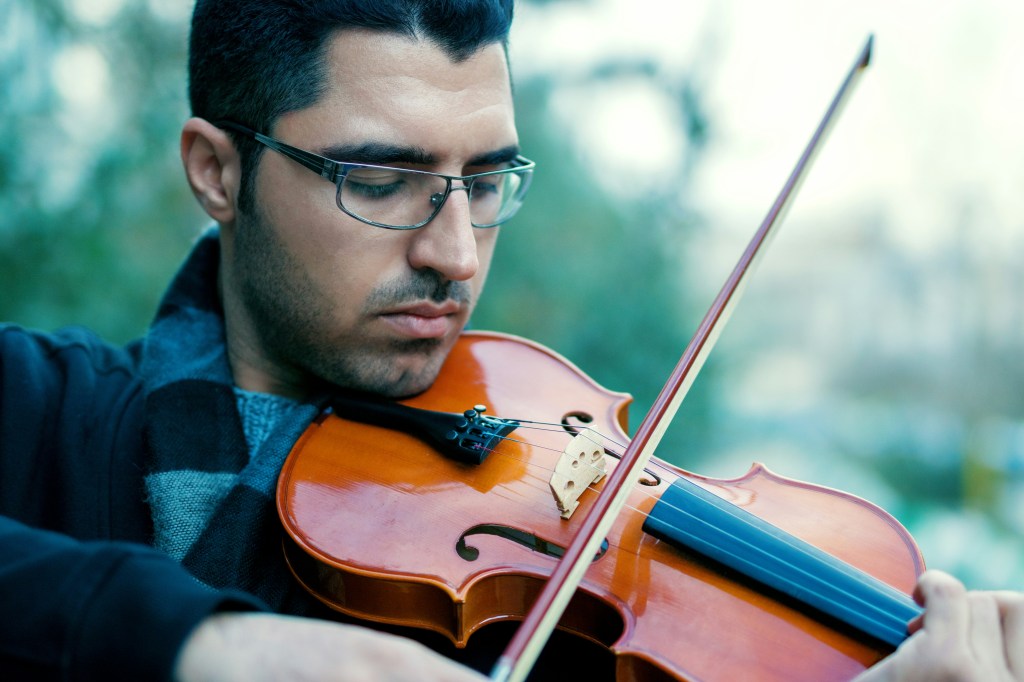
Bowing versus plucking a violin string changes the sound from smooth and sustained to sharp and percussive.
Using a mute on a brass instrument can soften and mellow its timbre.
Materials Used in Instruments: The materials from which an instrument is made also play a crucial role in its timbre:
Synthetic materials, used in modern instruments, can create unique and varied timbres not found in traditional instruments.
Wooden instruments, like the clarinet or violin, often have a warm, resonant sound.
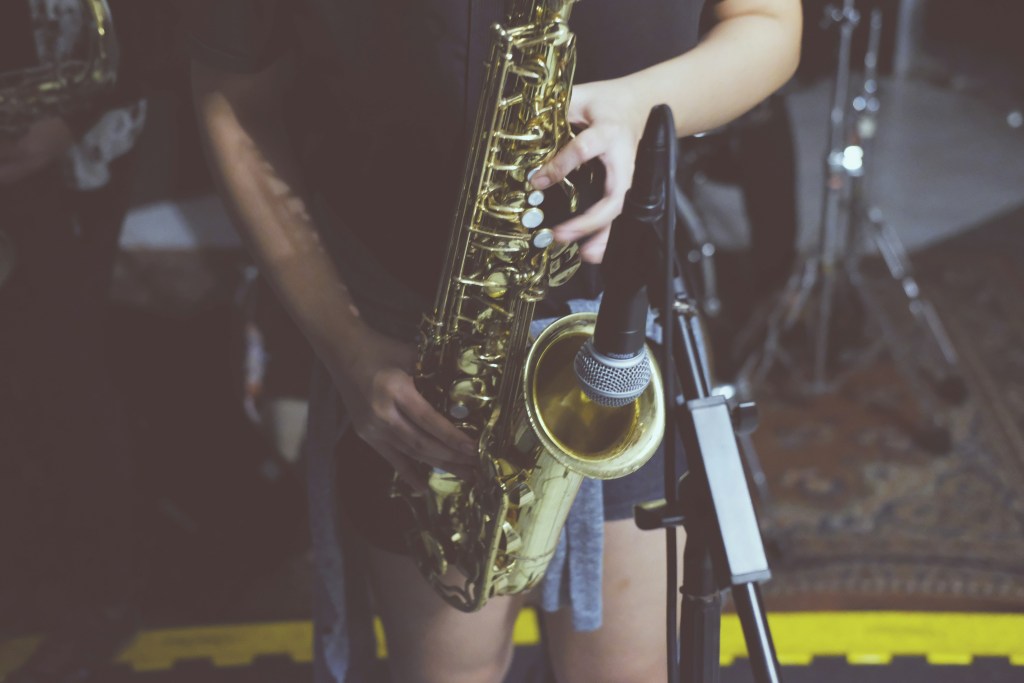
Metal instruments, such as the trumpet or saxophone, typically produce a brighter, more piercing tone.
Effects and Electronics: In contemporary music, electronic effects and digital processing have expanded the palette of timbre:
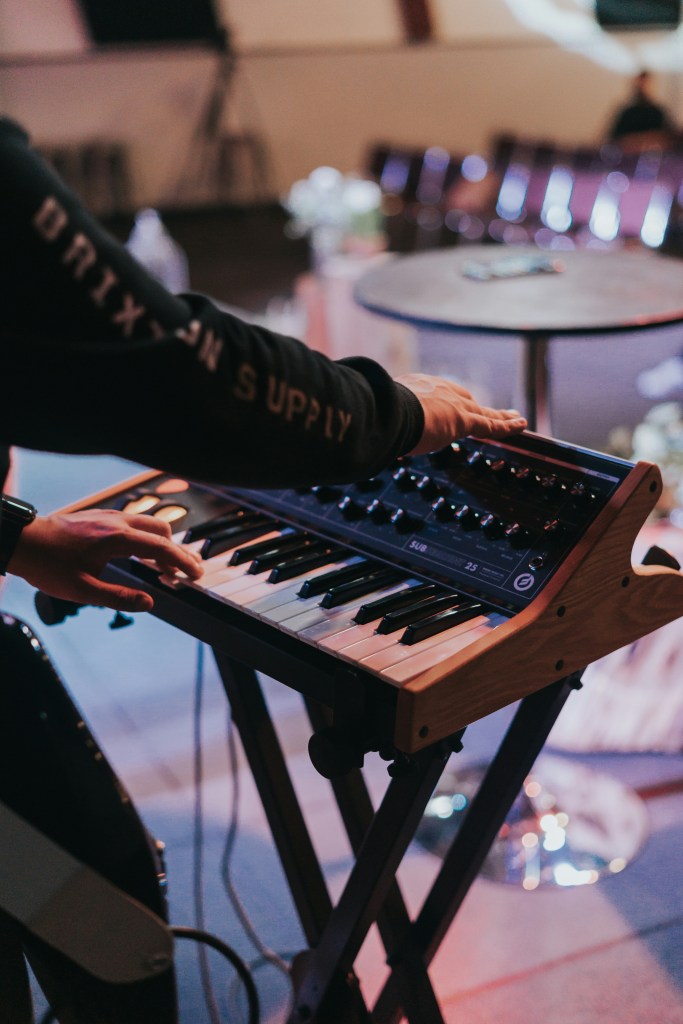
Synthesizers can generate an almost infinite variety of timbres, from imitating acoustic instruments to creating entirely new sounds.
Reverb can make a sound appear larger and more resonant.
Distortion adds grit and aggression, commonly used in electric guitar music.
Describing Timbre Using Adjectives
Timbre, the unique quality of a sound, can be described using a wide variety of adjectives. These descriptors help convey the character and color of the sound, allowing us to articulate what we hear more precisely. Here are some common adjectives used to describe timbre, along with examples to illustrate their use.
Adjectives to Describe Timbre
Bright: A sound that is clear and penetrating, often associated with higher frequencies.
Example: “The trumpet has a bright timbre that cuts through the orchestra.”
Dark: A sound that is rich and deep, often associated with lower frequencies.
Example: “The cello’s dark timbre adds a sense of warmth to the string section.”
Warm: A sound that is rich, smooth, and full, often evoking a sense of comfort.
Example: “The acoustic guitar’s warm timbre is perfect for ballads.”
Brassy: A bold, metallic sound typically associated with brass instruments.
Example: “The trombone’s brassy timbre gives the jazz ensemble a lively feel.”
Reedy: A sound that is thin and somewhat nasal, typical of reed instruments like the clarinet or oboe.
Example: “The oboe’s reedy timbre is distinctive and easily recognizable.”
Nasal: A sound that is sharp and somewhat tinny, often associated with certain vocal styles or instruments.
Example: “The singer’s nasal timbre gives her voice a unique, quirky quality.”
Mellow: A soft, smooth sound that is not harsh or sharp.
Example: “The saxophone’s mellow timbre is ideal for smooth jazz tunes.”
Harsh: A sound that is rough, grating, or jarring.
Example: “The electric guitar’s harsh timbre in the rock song conveys a sense of aggression.”
Clear: A pure and easily discernible sound without much distortion or noise.
Example: “The flute’s clear timbre makes it perfect for playing intricate melodies.”
Rich: A sound that is full-bodied and resonant, often with a lot of harmonic content.
Example: “The grand piano’s rich timbre fills the concert hall beautifully.”
Piercing: A very high-pitched, sharp sound that can be quite intense.
Example: “The piccolo’s piercing timbre can be heard even in a large orchestra.”
Smooth: A sound that is even and flowing without abrupt changes or harshness.
Example: “The vocalist’s smooth timbre is soothing and easy to listen to.”
Thin: A sound that lacks fullness or body, often higher-pitched and less resonant.
Example: “The harpsichord’s thin timbre contrasts with the richness of the piano.”
Vibrant: A lively and energetic sound with a lot of dynamic variation.
Example: “The violin’s vibrant timbre makes it suitable for expressive solos.”
Gravelly: A rough, textured sound, often associated with certain vocal qualities.
Example: “The singer’s gravelly timbre adds a raw edge to the blues performance.”
Conclusion
Timbre, or tone color, is a vital element that gives music its unique identity. It’s shaped by the instrument or voice producing the sound, the playing techniques employed, the materials from which instruments are made, and the use of electronic effects. By understanding timbre, we can appreciate the vast array of sounds in music and recognize the artistry involved in creating distinctive tone colors. Next time you listen to your favorite piece, pay attention to the timbre and how it contributes to the overall emotional and aesthetic experience.


You may also be interested in our Music Fundamental Value Bundles.
 Contemporary Educator
Leave a comment