
Fauvism is an early 20th-century art movement characterized by its bold use of color, simplified forms, and emphasis on painterly qualities. Known for its vibrant, expressive style, Fauvism marked a radical departure from traditional artistic conventions and laid the groundwork for modern art. This blog post explores the origins, key features, time periods, and notable artists associated with Fauvism, with a focus on Henri Matisse and André Derain.


Support the content of this page with a worksheet set.
Origins and Time Periods
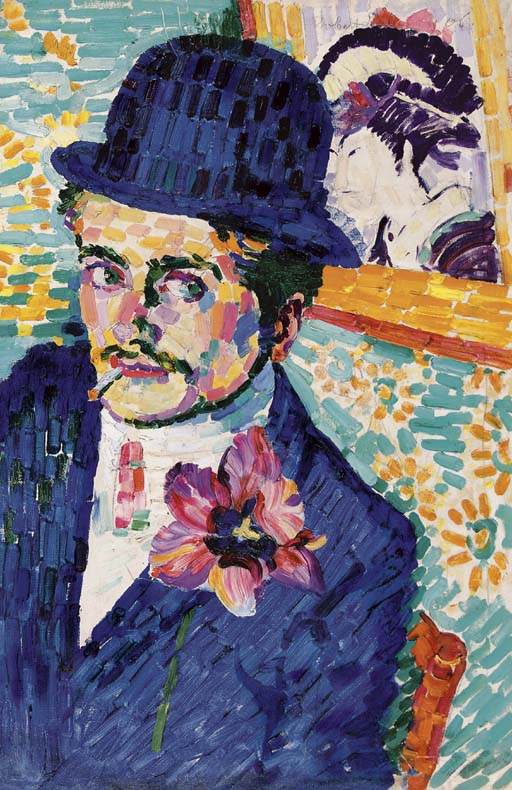
Fauvism emerged in France around 1904 and lasted until about 1910. The movement was spearheaded by a group of young artists who exhibited their works together at the Salon d’Automne in 1905. Critics derisively dubbed them “Les Fauves” (French for “The Wild Beasts”) due to their unconventional use of color and vigorous brushwork. Despite its brief duration, Fauvism had a profound impact on the development of modern art.
Key Features of Fauvism
Influence of Non-Western Art: Fauvists were influenced by the bold colors and simplified forms of African, Oceanic, and Islamic art, which they saw as more direct and expressive than the academic art of the West.
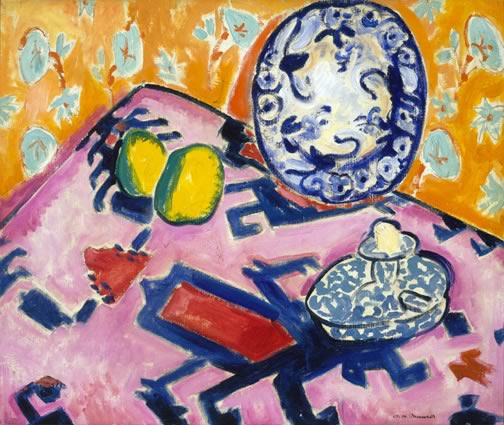
Bold, Vivid Colors: Fauvist artists employed bright, saturated colors straight from the tube, often without mixing. These colors were used to convey emotion and create a sense of immediacy, rather than to represent reality accurately.
Simplified Forms and Strong Lines: Fauvists favored simplified, often exaggerated forms and bold, visible brushstrokes. This emphasis on the painterly qualities of the work highlighted the artist’s subjective response to the subject.
Emphasis on Composition: Fauvist compositions were often flat, with little concern for traditional perspective. The arrangement of shapes and colors was designed to create a dynamic, harmonious whole.
Expressive Content: Fauvist paintings focused on the emotional impact of the scene, rather than on realistic depiction. The use of color and form was intended to evoke a direct, visceral response from the viewer.
Henri Matisse
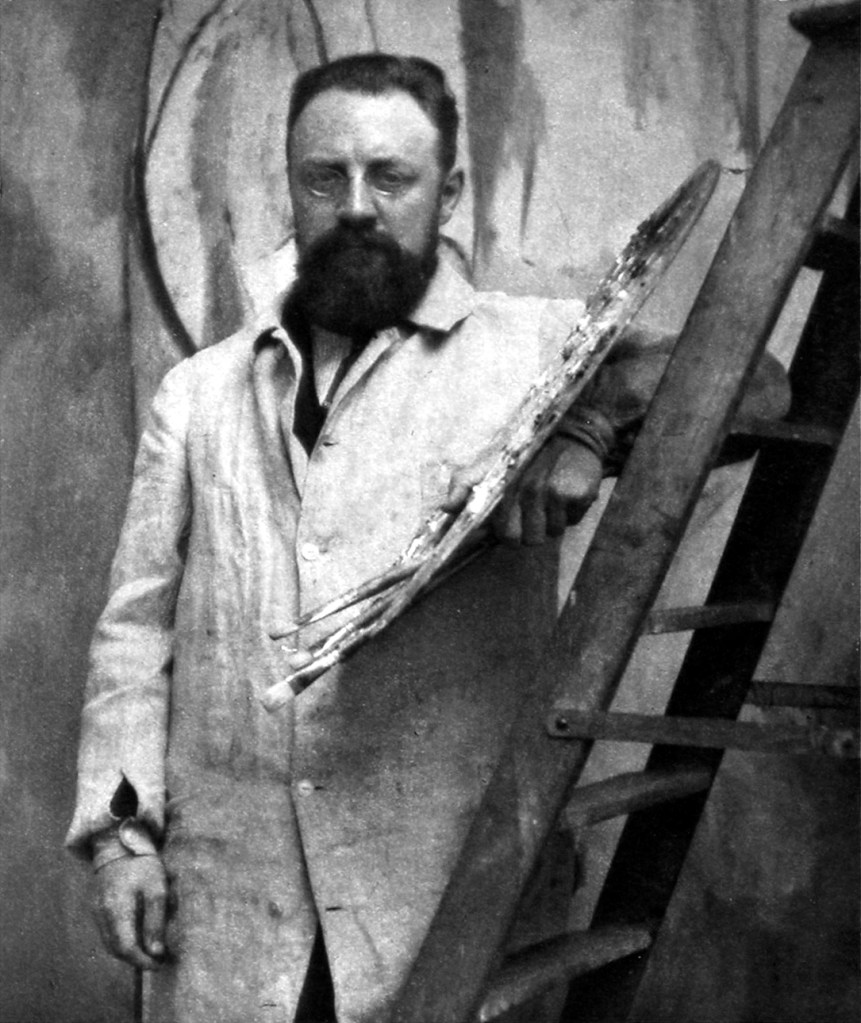
Henri Matisse (1869-1954) is widely regarded as the leading figure of Fauvism. His use of bold, expressive color and fluid, dynamic compositions helped define the movement. Matisse’s famous works, such as “Woman with a Hat” (1905) and “The Joy of Life” (1905-1906), exemplify his ability to use color to convey emotion and create a sense of harmony.
Matisse believed that color could be used independently of form to express feeling, and he often used non-naturalistic colors to depict his subjects. His innovative approach to composition and color had a lasting influence on modern art.
André Derain
André Derain (1880-1954) was another key figure in the Fauvist movement. Alongside Matisse, Derain played a crucial role in developing the movement’s distinctive style. His works, such as “Charing Cross Bridge” (1906) and “The Turning Road, L’Estaque” (1906), demonstrate his bold use of color and dynamic compositions.
Derain’s Fauvist period was marked by a fascination with the effects of light and color. His ability to capture the vibrancy and energy of a scene through his expressive use of paint helped to define the Fauvist aesthetic.


Legacy of Fauvism
Though Fauvism was short-lived, its impact on the art world was significant. The movement’s emphasis on color and expressive form influenced subsequent modernist movements, including Expressionism and Abstract Expressionism. Fauvism also paved the way for artists to explore new, non-representational approaches to painting.
Conclusion
Fauvism revolutionized the art world with its bold use of color and expressive approach to form. Artists like Henri Matisse and André Derain pushed the boundaries of traditional painting, creating works that prioritized emotion and visual impact over realistic representation. The legacy of Fauvism endures, reminding us of the power of color and composition to convey deep, visceral emotions in art.


You may also be interested in our Art Movement Value Bundles.
- Discovering Musical Form: Types, Elements and More
- Understanding Rhythm: Beat, Syncopation, Tempo, Meter, and More Explained
- Understanding Timbre (Tone Color): Instruments, Voices, and Effects in Music
- Introduction to Lino Printing: A Timeless Art Form
- Understanding Musical Texture: Types, Density and More
 Contemporary Educator
Leave a comment