
Form: Elements/Concepts of Music
Form in music refers to the structure and organization of a composition. It is the blueprint that outlines how a piece is arranged, guiding the listener through the various sections and elements. Let’s delve into what form is, its key elements, and the different types of musical forms.



What is Form?
Musical form is the framework that dictates the layout of a piece. It helps create a sense of coherence and direction, allowing the composer to present, develop, and revisit musical ideas in a structured way. Understanding form is crucial for both composers and listeners, as it provides insight into the architecture of a composition.
Elements of Form
1. Introduction: The introduction sets the stage for the piece, establishing the mood, key, and tempo. It can be brief or extended and serves as a preparatory section leading into the main parts of the composition.
Example: The intro to Beethoven’s Symphony No. 5.

2. Verse: The verse is a section where the lyrics or melody change with each iteration, typically telling a story or providing different perspectives. It is often contrasted with the chorus.
Example: The verses in Bob Dylan’s “Blowin’ in the Wind.”

3. Chorus: The chorus is the recurring section of a song that usually contains the main message or theme. It is often the most memorable part, with a consistent melody and lyrics.
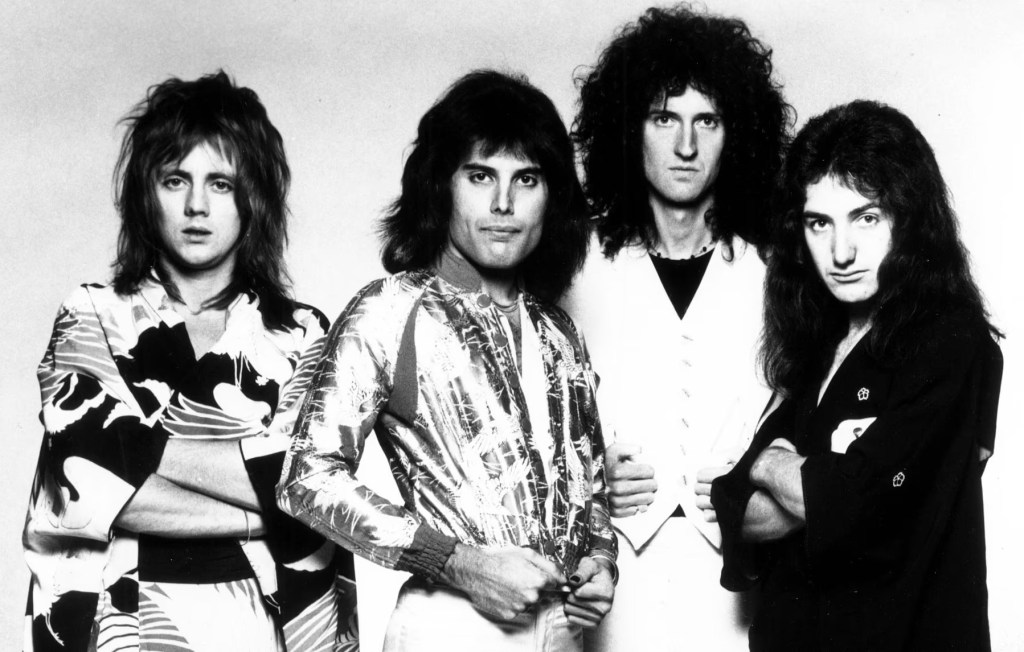
Example: The chorus of Queen’s “We Will Rock You.”
4. Bridge: The bridge provides a contrast to the verses and choruses, often introducing a new melody, harmony, or rhythm. It serves as a transitional section that adds variety and depth.
Example: The bridge in The Beatles’ “Something.”

5. Outro: The outro is the concluding section of a piece, bringing it to a close. It can be a repetition of the chorus, a fade-out, or a completely new section.
Example: The outro of Pink Floyd’s “Comfortably Numb.”


Types of Musical Form
1. ABA Form (Ternary Form): ABA form consists of three sections: an initial A section, a contrasting B section, and a return to the A section. This form creates a sense of symmetry and balance.
Example: Chopin’s “Prelude in D-flat Major” (Raindrop Prelude).

2. AB Form (Binary Form): AB form comprises two distinct sections, A and B. Each section is usually repeated, providing a straightforward and clear structure.
Example: Bach’s “Minuet in G Major.”

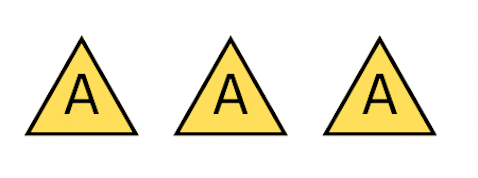
3. Rondo Form: Rondo form features a recurring A section interspersed with different contrasting sections (B, C, etc.). The pattern often looks like ABACABA.
Example: Beethoven’s “Rondo a Capriccio” (Rage Over a Lost Penny).
4. Strophic Form: Strophic form involves repeating the same music for each verse or stanza of lyrics. It is commonly found in folk songs and hymns.
Example: Schubert’s “Heidenröslein.”

5. Through-Composed Form: Through-composed form does not repeat sections; instead, it continually introduces new material. This form is often used in art songs and operas.
Example: Schubert’s “Erlkönig.”
Conclusion
Form is an essential element that provides structure and coherence to a musical composition. By understanding the elements of form—introduction, verse, chorus, bridge, and outro—and the various types of musical forms—ABA, AB, Rondo, Strophic, and Through-composed—we gain insight into the organization and flow of music. This knowledge enhances our appreciation of the compositional craft and allows us to engage more deeply with the music we listen to and create.


You may also be interested in our Music Fundamental Value Bundles.
 Contemporary Educator
Leave a comment