
Music is a rich tapestry of sound, and understanding its texture is key to appreciating its depth and complexity. Texture in music refers to how the melodic, rhythmic, and harmonic materials are combined in a composition, thus determining the overall quality of the sound. Let’s delve into the various aspects of musical texture, including its density and types, to gain a deeper understanding.


Support the content of this page with a worksheet set.

Density of Texture
1. Thin Texture:
A thin texture in music consists of a few layers of sound. This can often be heard in solo performances or pieces with minimal accompaniment. For example, a solo flute playing a melody without any harmonic support creates a thin texture. This sparseness allows for clarity and focus on the melodic line.
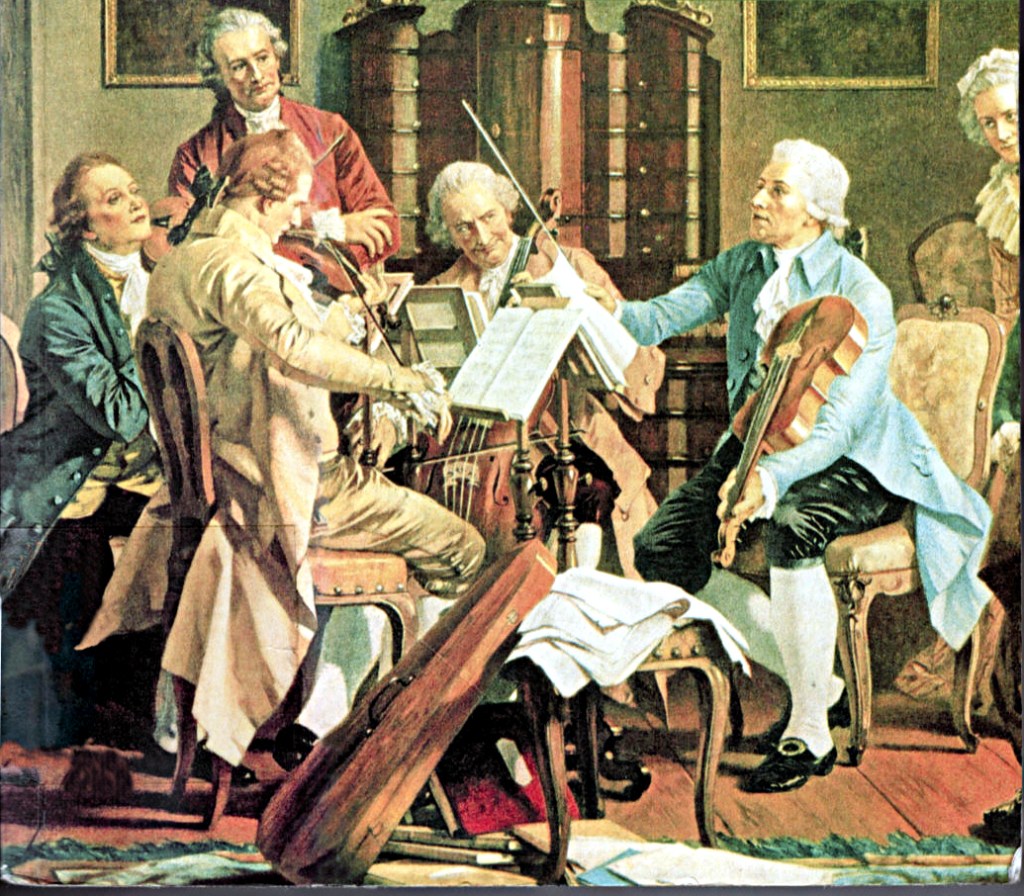
2. Medium Texture: Medium texture features a moderate number of layers, providing a balance between simplicity and complexity. A string quartet, consisting of two violins, a viola, and a cello, typically creates a medium texture. Each instrument contributes to the harmony and rhythm, yet the overall sound remains clear and not overly dense.
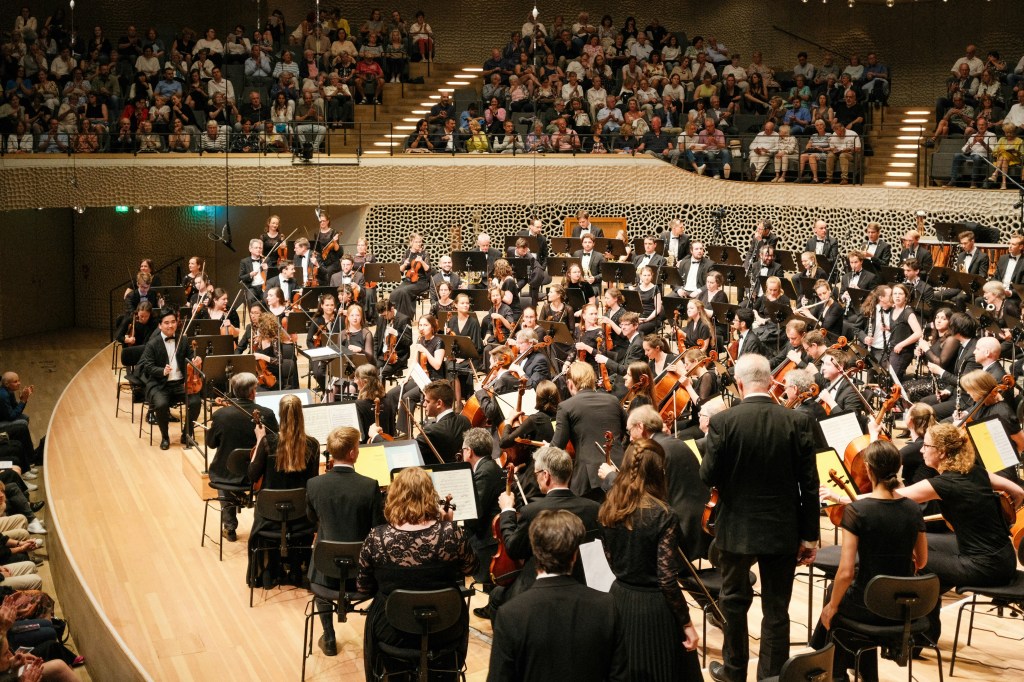
3. Thick Texture: A thick texture involves many layers of sound, creating a rich and full auditory experience. This is common in large orchestral works where multiple instruments play different parts simultaneously. For instance, Beethoven’s symphonies often exhibit thick textures, with intricate interweaving of melodies and harmonies across the entire orchestra.
Types of Texture
1. Monophonic Texture: Monophonic texture is the simplest form of musical texture, featuring a single melodic line without any harmonic accompaniment. This can be as straightforward as a solo singer or an instrumentalist playing alone. Gregorian chants are a classic example of monophonic texture, where a single melody is sung in unison.

Polyphonic Texture: Polyphonic texture involves multiple independent melodic lines occurring simultaneously. This type of texture is complex and rich, as each voice or instrument contributes its own melody, creating intricate interplays. J.S. Bach’s fugues are quintessential examples of polyphonic texture, where several melodies enter at different times, each maintaining its own melodic integrity while harmonizing with others.

Homophonic Texture: Homophonic texture is characterized by one dominant melodic line accompanied by chords. This texture is prevalent in most modern Western music, from classical to pop. In a homophonic texture, the melody stands out while the accompaniment provides harmonic support. A common example is a singer accompanied by a guitar or piano, where the chords complement and enhance the melody.

Conclusion
Understanding texture in music enhances our ability to appreciate the intricacies of a composition. Whether it’s the simplicity of a monophonic chant, the complexity of polyphonic fugue, or the balanced harmony of a homophonic song, each texture offers a unique auditory experience. Recognizing the density of texture, thin, medium, or thick, also allows us to better understand and describe the richness or sparseness of the sound. By exploring these elements, we can deepen our appreciation of music and its myriad forms.
Texture, with its various densities and types, is a fundamental element that shapes the character and emotional impact of music. So next time you listen to a piece, take a moment to identify its texture and consider how it contributes to the overall experience.


You may also be interested in our Music Fundamental Value Bundles.
 Contemporary Educator
Leave a comment