
Impressionism is a pivotal art movement that emerged in the late 19th century, characterized by its innovative approach to capturing light and movement, and its departure from traditional academic painting. This movement marked a radical shift in the art world, emphasizing the artist’s perception of a scene over detailed realism. Let’s explore the origins, key features, time periods, and notable artists associated with Impressionism, with a focus on Claude Monet and Edgar Degas.


Support the content of this page with a worksheet set.
Origins and Time Periods
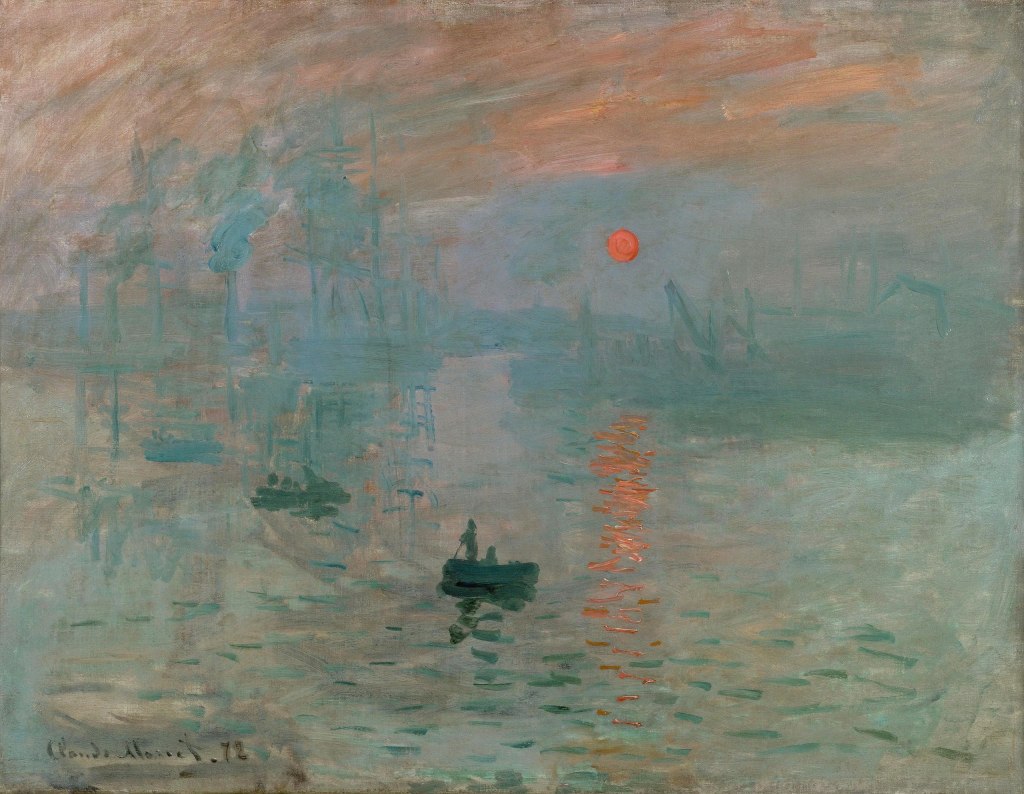
Impressionism began in France in the 1870s, with a group of artists who sought to break away from the rigid constraints of the academic art establishment. The movement’s name was derived from Claude Monet’s painting “Impression, Sunrise” (1872), which critics used derisively to describe the new style. Despite initial resistance, Impressionism gained momentum and profoundly influenced the trajectory of modern art.
Key Features of Impressionism
Innovative Compositions: Impressionist compositions often featured unusual angles and cropping, influenced by photography and Japanese prints. This created dynamic and engaging perspectives.
Focus on Light and Color: Impressionist artists were fascinated by the effects of light and color on a scene. They often painted en plein air (outdoors) to capture the changing light and atmosphere. The use of vibrant, unmixed colors applied in short, quick brushstrokes was a hallmark of this style.
Everyday Scenes: Unlike the grand historical or mythological subjects favored by academic painters, Impressionists depicted everyday life and ordinary scenes. They focused on landscapes, urban scenes, and domestic life, highlighting the beauty in the mundane.
Movement and Atmosphere: Impressionists aimed to convey the fleeting nature of a moment. Their techniques captured the sense of movement and the transient effects of weather, light, and time of day.
Loose Brushwork: The movement is characterized by loose, visible brushstrokes that convey a sense of spontaneity and immediacy. This approach broke away from the smooth, polished finish of academic painting.

Claude Monet
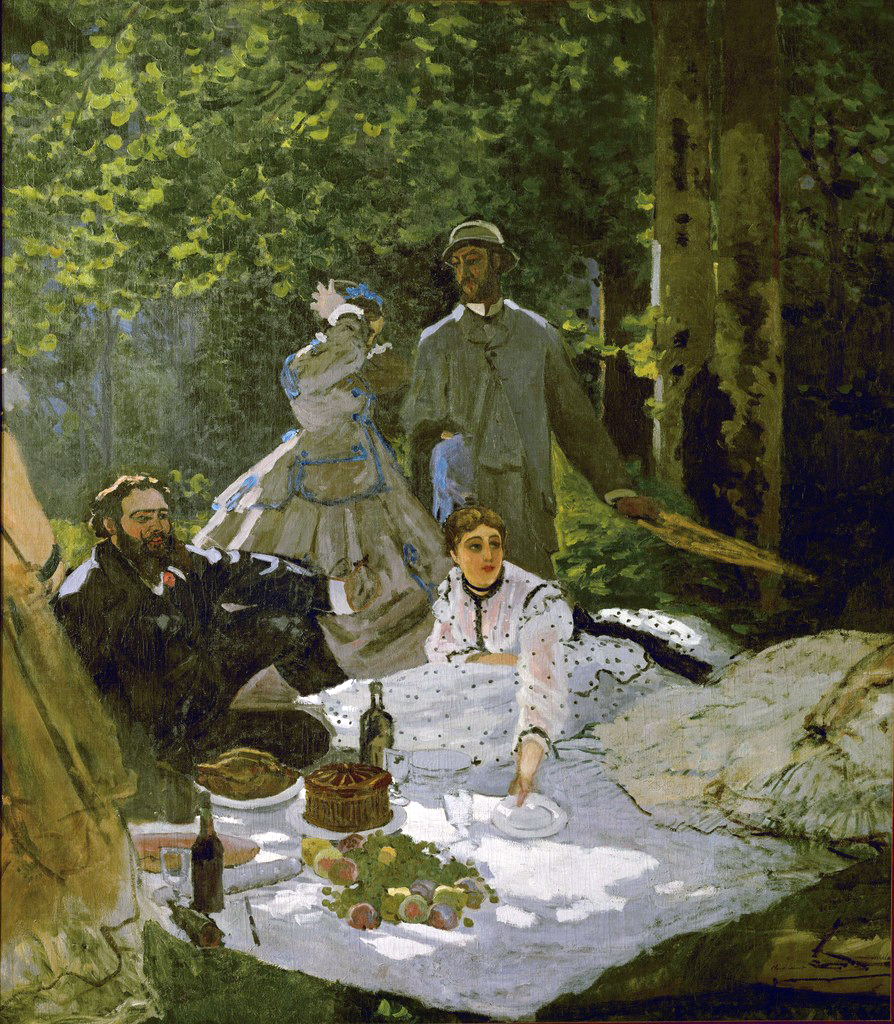
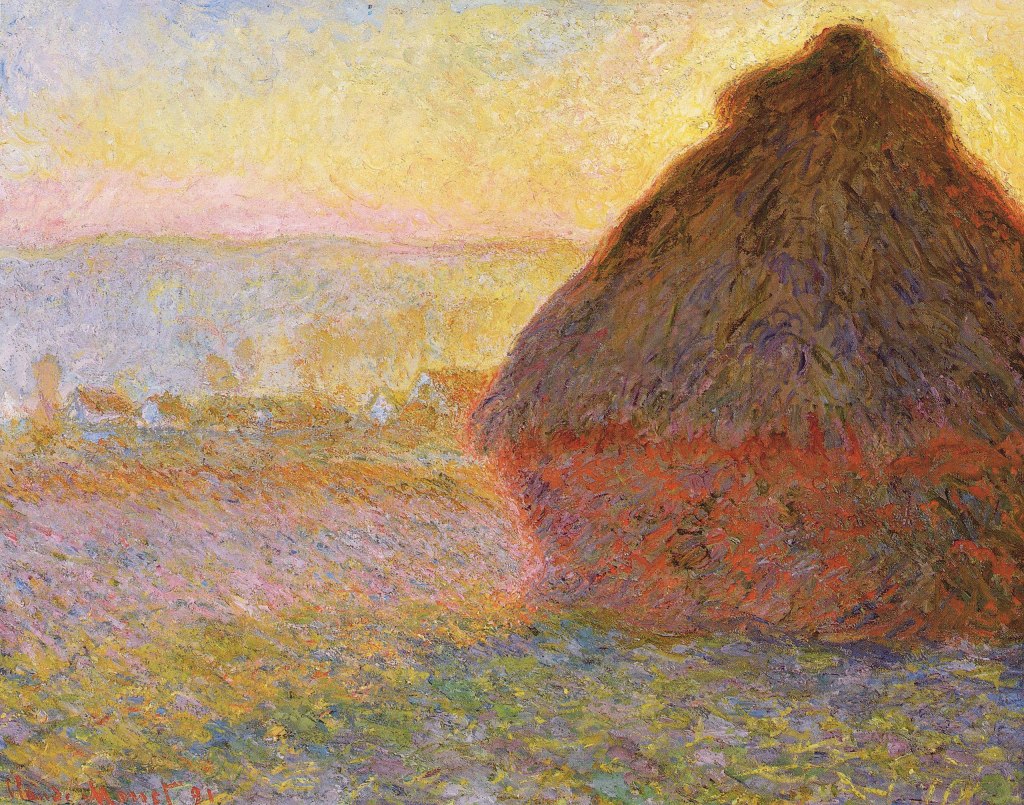
Claude Monet (1840-1926) is often regarded as the father of Impressionism. His dedication to capturing the effects of light and atmosphere is evident in his series paintings, where he depicted the same scene under different lighting conditions. Notable works include “Water Lilies,” “Haystacks,” and “Rouen Cathedral.”
Monet’s painting “Impression, Sunrise” (1872) gave the movement its name and exemplified his technique of using loose brushstrokes and vibrant colors to convey the essence of a scene rather than its precise details. His garden at Giverny became a constant source of inspiration, leading to some of his most famous works.
Edgar Degas
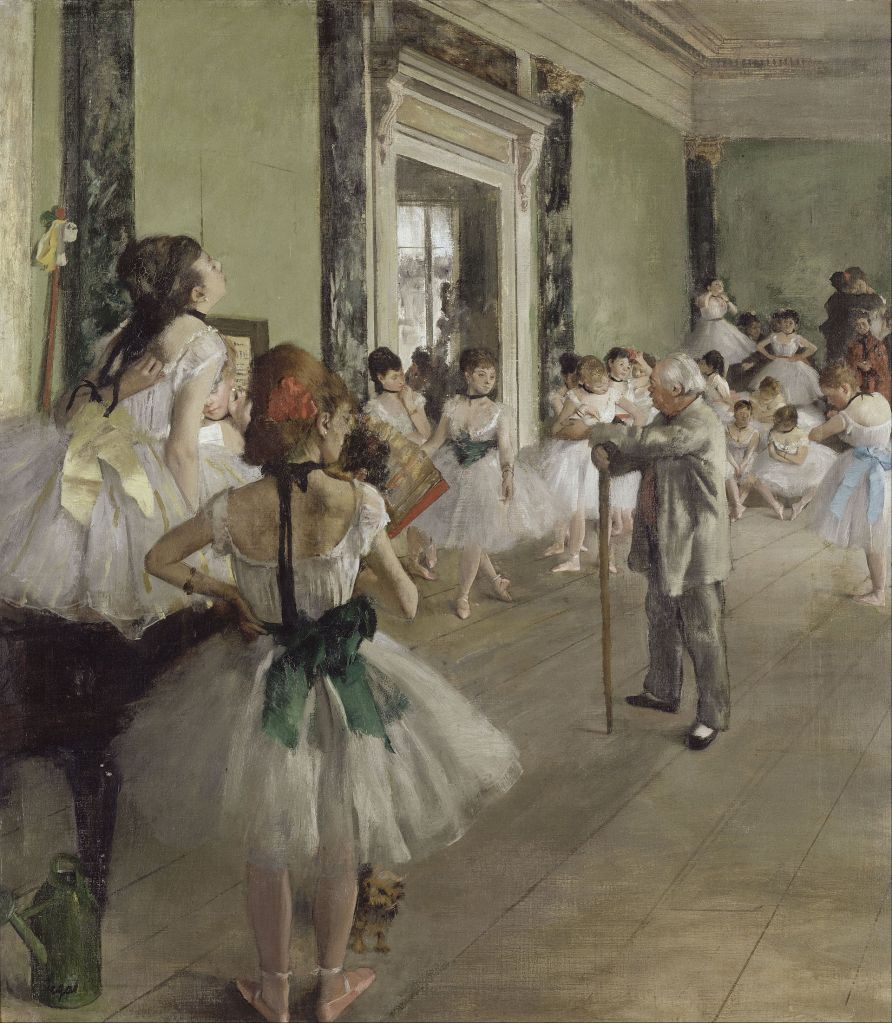
Edgar Degas (1834-1917) was another prominent figure in the Impressionist movement, though his approach differed from many of his contemporaries. Degas focused more on urban scenes and human figures, particularly dancers, capturing their movement and grace with a keen observational eye. His works, such as “The Dance Class” and “L’Absinthe,” reveal his fascination with the human form and the nuances of everyday life.
Degas was known for his innovative compositions and use of unconventional angles, often influenced by his interest in photography and Japanese prints. His pastels and sculptures further demonstrate his versatility and deep understanding of movement and anatomy.
Legacy of Impressionism
Impressionism laid the groundwork for many subsequent art movements, including Post-Impressionism, Fauvism, and Modernism. Its emphasis on light, color, and spontaneous expression continues to inspire artists today. The movement also played a crucial role in shifting the art world’s focus from academic traditions to more experimental and personal forms of expression.
Conclusion
Impressionism revolutionized the art world by challenging traditional techniques and subjects, offering a new way to perceive and depict reality. Artists like Claude Monet and Edgar Degas pushed the boundaries of artistic expression, capturing the fleeting beauty of light and movement in their innovative works. The legacy of Impressionism endures, reminding us of the power of art to transform our perception of the world around us.


You may also be interested in our Art Movement Value Bundles.
 Contemporary Educator
Leave a comment