
Pop Art is a vibrant and influential art movement that emerged in the mid-20th century, characterized by its bold colors, striking imagery, and focus on popular culture. This artistic style challenged traditional fine art by incorporating elements from mass media, advertising, and consumerism, blurring the lines between high and low culture. Let’s delve into the origins, key periods, and prominent artists who defined Pop Art, with a particular focus on Andy Warhol and Roy Lichtenstein.


Support the content of this page through a worksheet set.
Origins and Time Periods
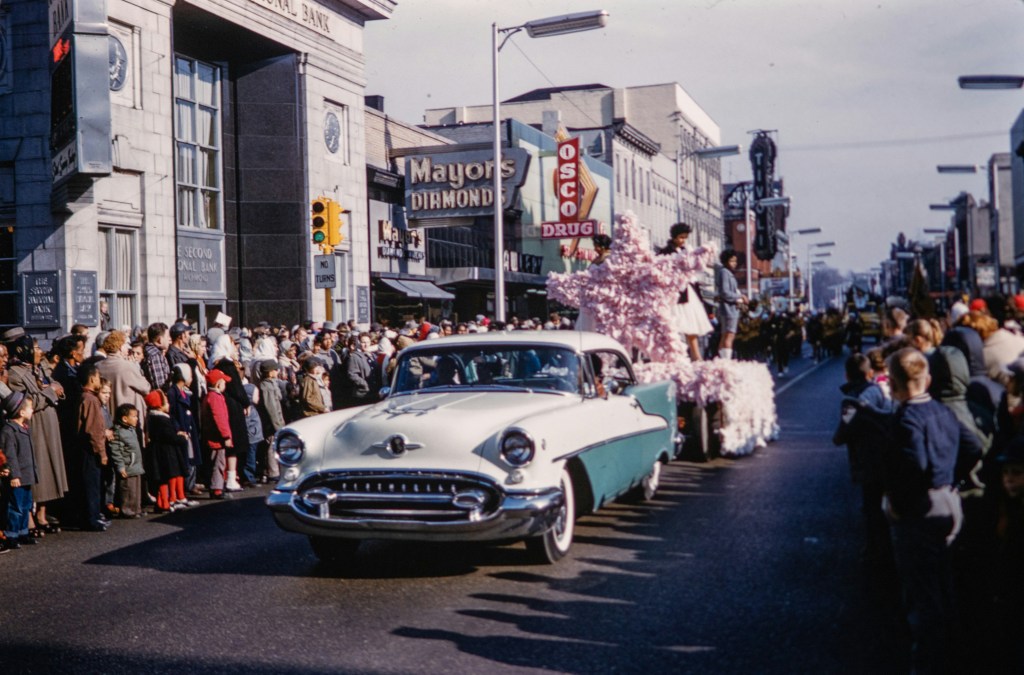
Pop Art began in the 1950s and reached its peak in the 1960s. It originated simultaneously in the United States and the United Kingdom, reflecting the post-World War II era’s burgeoning consumer culture. The movement was a reaction against the prevailing abstract expressionism, which was seen as overly intellectual and elitist. Pop Art aimed to make art more accessible and relatable to the general public by using imagery and techniques derived from everyday life.
Key Features of Pop Art
Irony and Satire: Pop Art often incorporates a sense of irony or satire, critiquing the very consumer culture it depicts. This can be seen in the exaggerated portrayal of everyday objects and the glorification of mundane subjects.
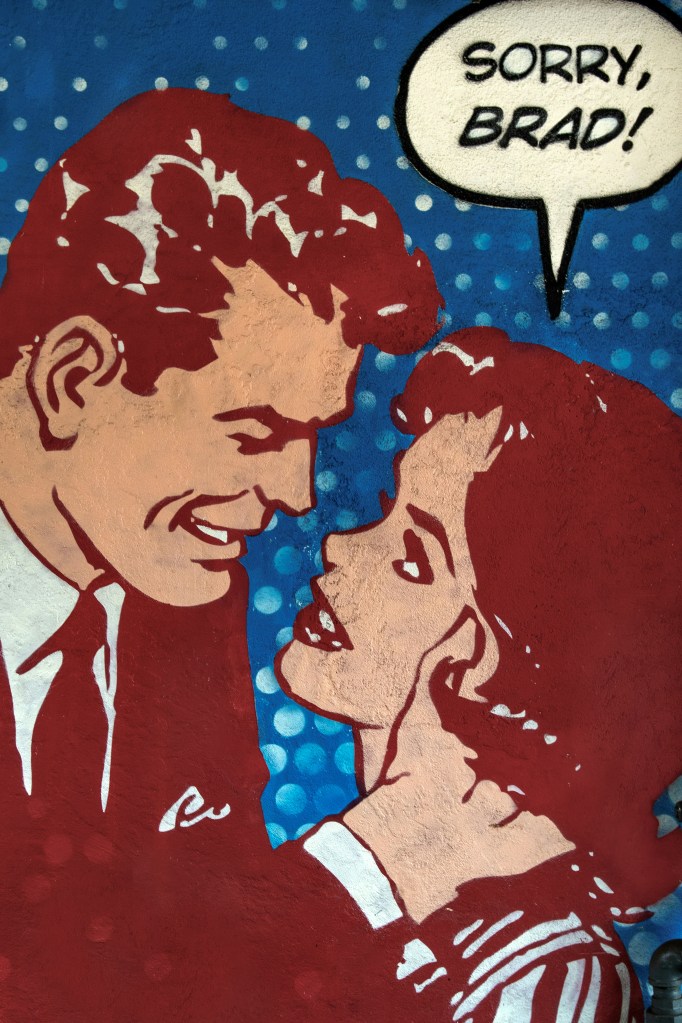
Imagery from Popular Culture: Pop Art often features images from comic strips, advertisements, television, and movies. These elements are presented in a way that highlights their ubiquity and cultural significance.
Bright Colors and Bold Lines: The use of vibrant, eye-catching colors and clear, defined lines is a hallmark of Pop Art, making the artwork instantly recognizable and engaging.
Repetition and Mass Production: Many Pop Art works mimic the processes of mass production, using techniques like silkscreen printing to create multiples of the same image. This approach emphasizes the themes of consumerism and mass media.
Andy Warhol
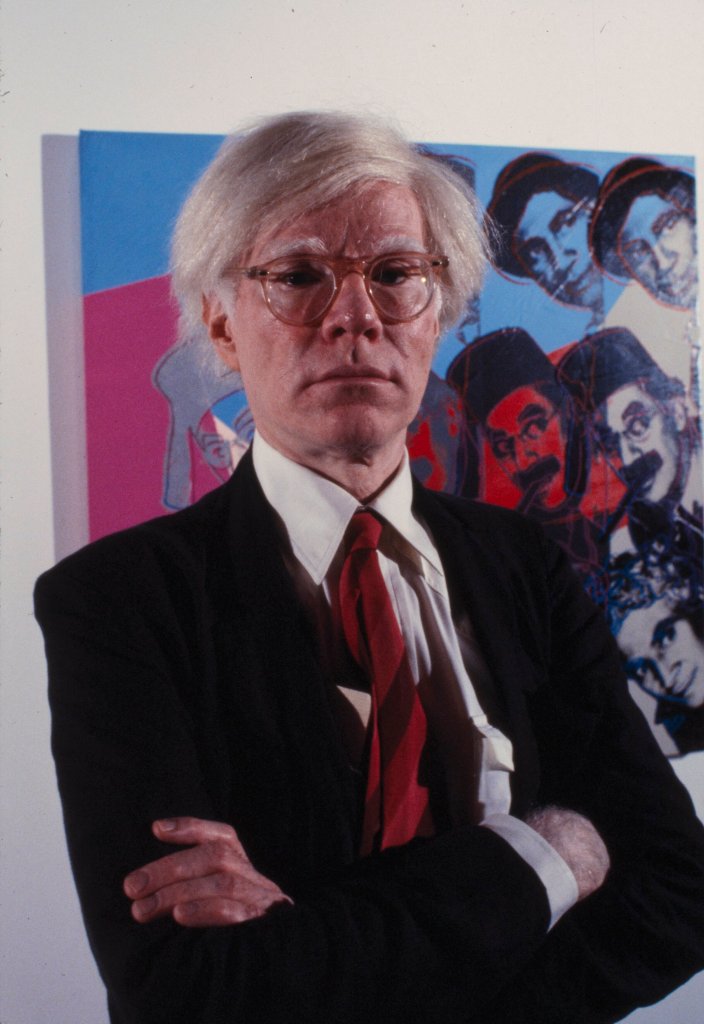
Andy Warhol (1928-1987) is perhaps the most famous Pop Artist. His work epitomizes the movement’s fascination with consumer culture and celebrity. Warhol’s iconic pieces include the “Campbell’s Soup Cans” series and portraits of Marilyn Monroe. By transforming ordinary products and famous faces into art, Warhol blurred the boundaries between high art and commercial imagery.
Warhol’s studio, known as The Factory, became a hub for artists, musicians, and socialites, reflecting his belief that art should be an integral part of popular culture. His use of silkscreen printing allowed him to produce multiple copies of his works, echoing the mass production methods of consumer goods.
Roy Lichtenstein
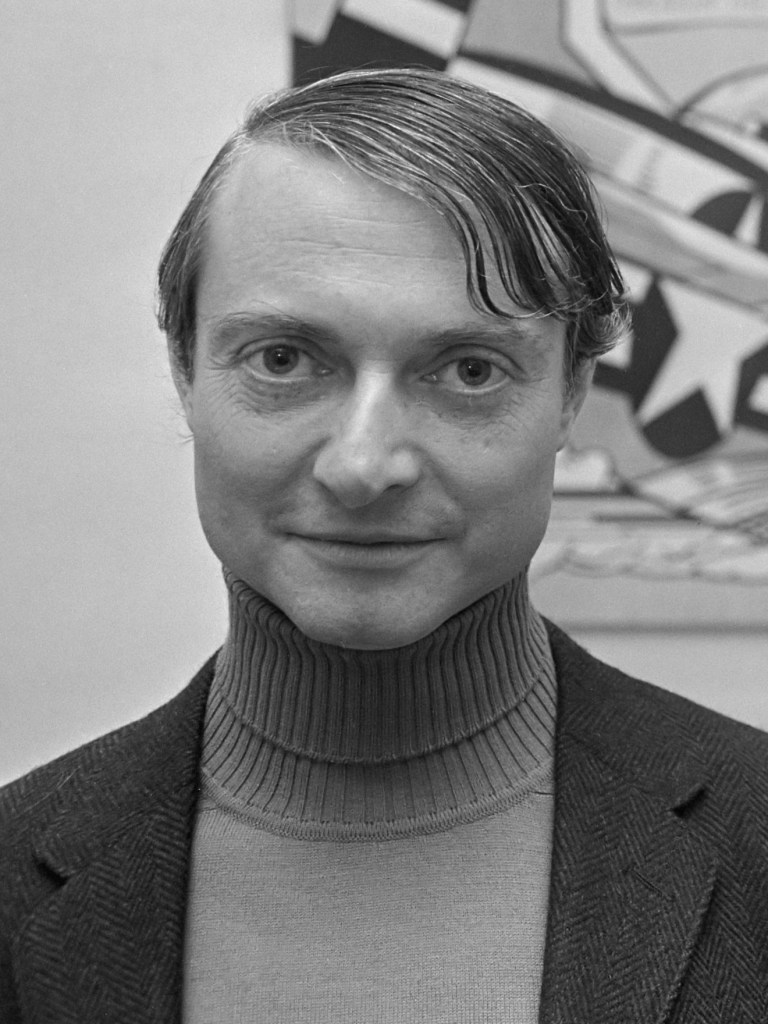
Roy Lichtenstein (1923-1997) is another seminal figure in the Pop Art movement. He is best known for his comic strip-inspired paintings, which feature bold colors, Ben-Day dots, and speech bubbles. Lichtenstein’s works, such as “Whaam!” and “Drowning Girl,” elevate the comic book aesthetic to fine art, questioning the distinctions between commercial art and high culture.
Lichtenstein’s technique involved meticulously recreating comic book panels on a large scale, maintaining the mechanical look of printed media. His art often explores themes of romance, war, and heroism, presenting them in a stylized and exaggerated manner.
Legacy of Pop Art
Pop Art has left a lasting impact on the art world and contemporary culture. Its influence can be seen in various forms of media, from graphic design to fashion. The movement’s embrace of popular culture and its critical commentary on consumerism continue to resonate with artists and audiences alike.

Conclusion
Pop Art revolutionized the art world by challenging traditional notions of what art could be. Through its use of popular imagery, bright colors, and mass production techniques, it brought art into the realm of everyday life. Artists like Andy Warhol and Roy Lichtenstein played pivotal roles in defining and popularizing this movement, leaving behind a legacy that continues to inspire and provoke thought. Pop Art remains a testament to the dynamic interplay between art and society, reflecting the ever-evolving landscape of popular culture.


You may also be interested in our Art Movement Value Bundles.
 Contemporary Educator
Leave a comment